
6 Ways Your Business Is Wasting Money on Vehicle Expenses
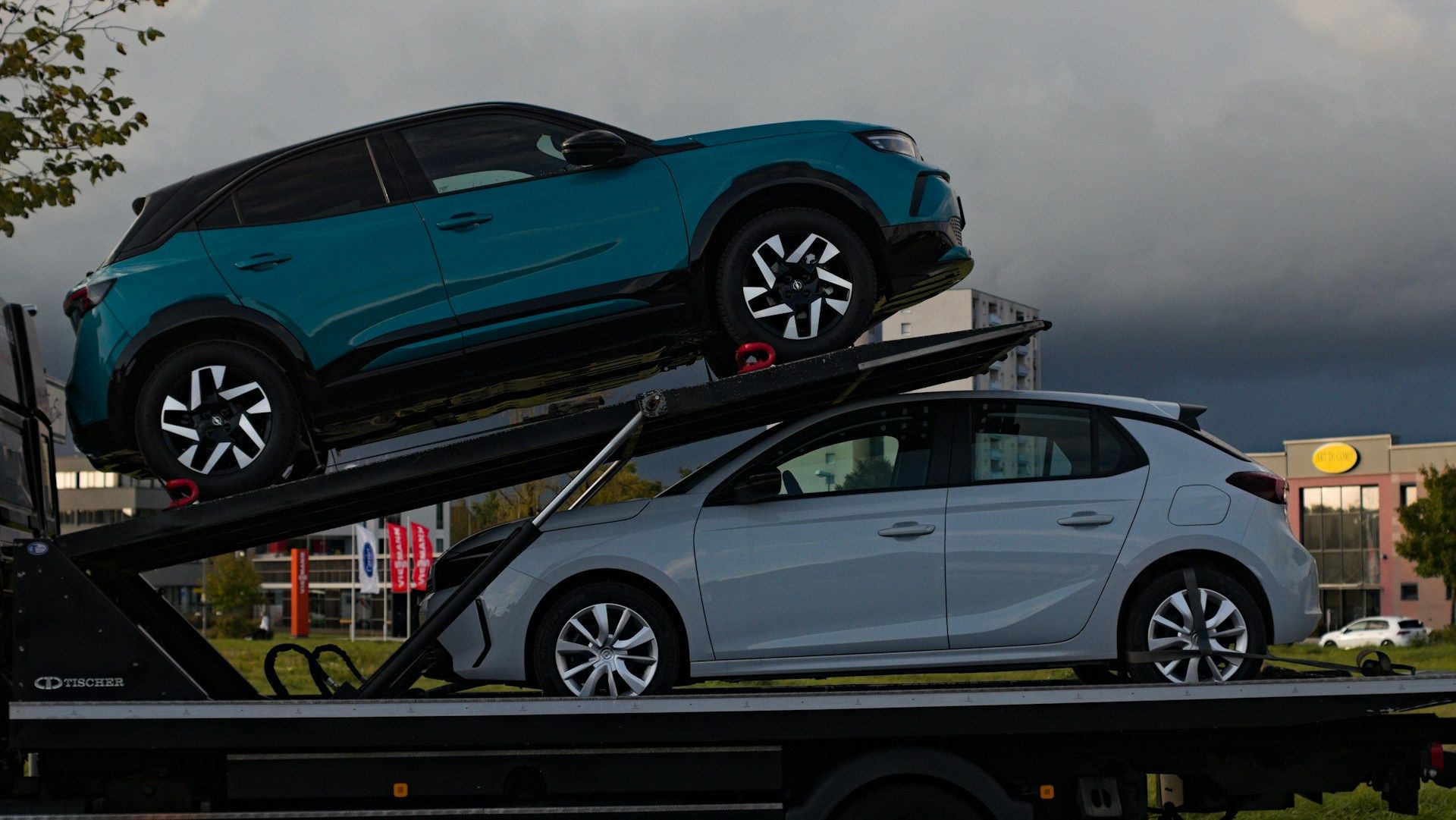
Vehicles can be essential business assets, but they can also become a significant drain on company finances. Whether your business operates a large commercial fleet or simply maintains a handful of cars for employees, seemingly minor inefficiencies can quickly add up.
Controlling vehicle expenses does not necessarily mean buying cheaper vehicles or limiting their use. Often, the biggest savings come from identifying unnecessary costs, improving planning, and making smarter decisions about how vehicles are purchased, transported, maintained, and operated.
- Paying Too Much to Move Vehicles
Businesses sometimes need to relocate vehicles between offices, dealerships, project sites, or other facilities. Sending an employee to drive a vehicle hundreds of miles may appear straightforward, but the real cost can be surprisingly high. The business may need to pay wages, fuel, accommodation, meals, tolls, and return travel expenses. The vehicle also accumulates mileage and wear.
For longer-distance relocations, comparing professional transport options such as Miami car shipping can help businesses assess whether shipping a vehicle makes more financial sense than assigning an employee to drive it. Looking at the total cost rather than fuel expenses alone provides a much more accurate comparison.
- Ignoring Preventive Maintenance
Delaying routine maintenance can save money this month while creating a much larger bill later. Oil changes, tire rotations, fluid checks, brake inspections, and other basic maintenance tasks help identify problems before they become expensive repairs.
Businesses should establish clear maintenance schedules for every company vehicle. Keeping digital service records can also make it easier to monitor upcoming work and identify vehicles that are becoming unusually expensive to maintain.
- Keeping Inefficient Vehicles for Too Long
There comes a point when an aging company vehicle costs more to keep than it provides in value. Frequent repairs, poor fuel economy, downtime, and declining reliability can gradually make an older vehicle financially inefficient. Review the total annual cost of each vehicle rather than focusing solely on whether it is fully paid off. Replacing a vehicle involves an upfront expense, but a newer and more efficient model may reduce maintenance costs and unexpected downtime.
- Failing to Monitor Fuel Spending
Fuel is one of the most obvious vehicle expenses, yet businesses do not always track it closely. Without proper monitoring, inefficient routes, unnecessary idling, unauthorized purchases, and poor driving habits can go unnoticed. Fuel cards and fleet management systems can provide greater visibility into consumption. Even businesses with only a few vehicles can benefit from recording mileage and fuel costs consistently.
- Treating Vehicle Costs as Fixed Expenses
Perhaps the biggest mistake is assuming vehicle expenses are unavoidable. Fuel, maintenance, insurance, transportation, depreciation, and downtime can all be managed more effectively. Reviewing these costs individually can reveal opportunities that are easy to overlook. Small improvements across several areas may ultimately save the business far more than one dramatic cost-cutting measure.