
7 Best AI Album Cover Generator Tools for Modern Musicians
First impressions matter, even in music. Using an AI album cover generator, artists can quickly craft visuals that reflect their vibe, attract new listeners, and stand out in crowded playlists.
Key Takeaways:
- AI tools make it easier to match artwork with genre and audience preferences.
- Different styles work better for different regions and cultural markets.
- AI-generated covers save time without sacrificing creativity.
AI Album Cover Generator: Top 7 Graphic AIs for Musicians
Visual identity plays a major role in how listeners connect with music today. Strong album artwork helps define genre, mood, and brand presence across platforms. Here are seven AI album cover generators to help you get started.
1. MidJourney
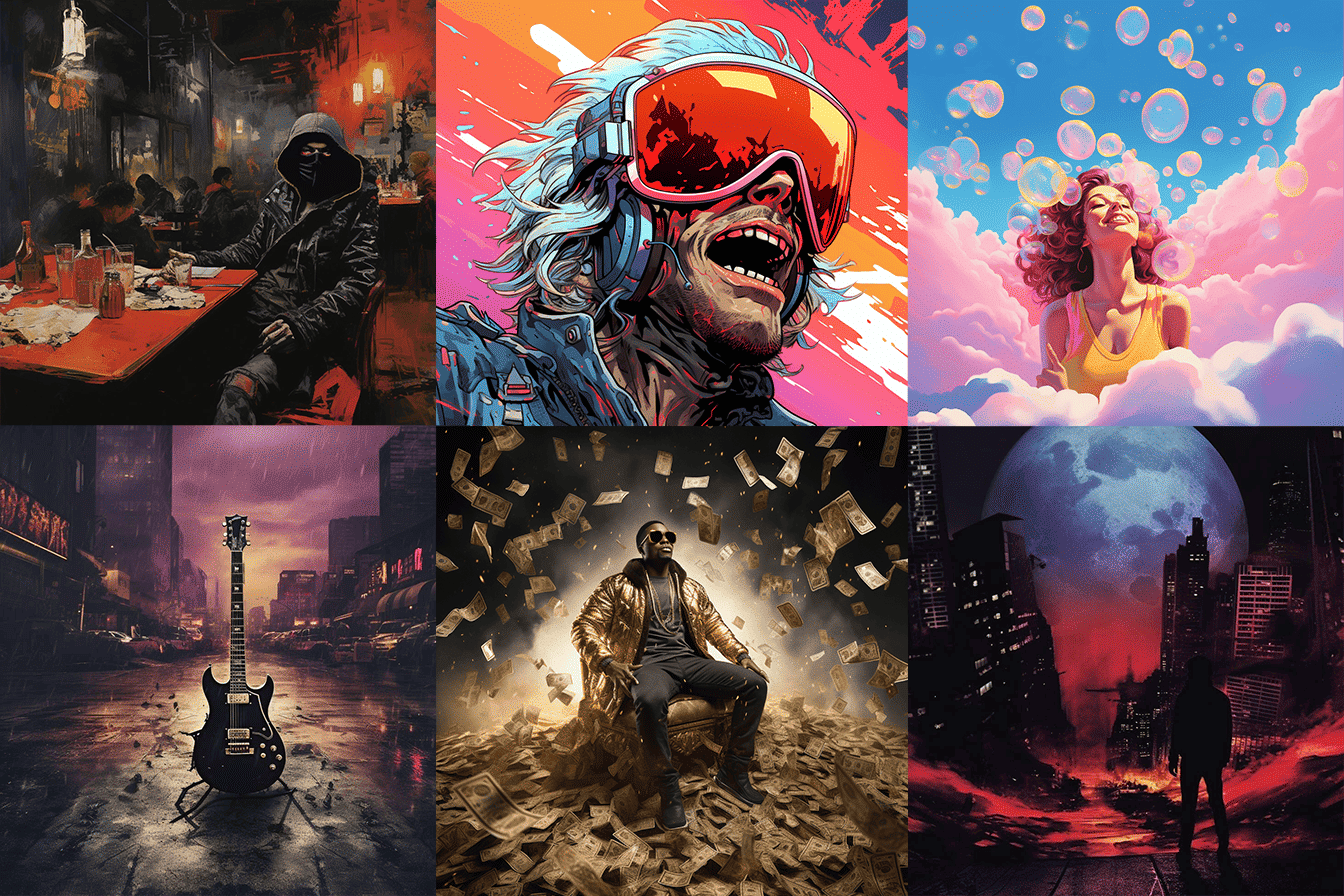
Midjourney stands out for its cinematic and artistic depth. Musicians use it to craft expressive album visuals through Discord or the web. You can describe moods like psychedelic rock, dark synthwave, or dreamy lo-fi. The results often feature rich textures, dramatic lighting, and bold compositions.
Its style controls allow precise visual direction. Square formats suit streaming platforms, while color contrasts enhance genre identity. Artists often explore surreal themes, retro aesthetics, or futuristic visuals. This flexibility helps music brands connect with diverse global audiences through strong visual storytelling.
Many creators rely on Midjourney prompts for album covers to refine themes and colors. These prompts help match visuals with listener expectations. When used carefully, Midjourney can function as a powerful AI album cover generator for modern musicians.
Also Read: 20+ Midjourney Art Style Prompts To Elevate Your Design
2. NightCafe
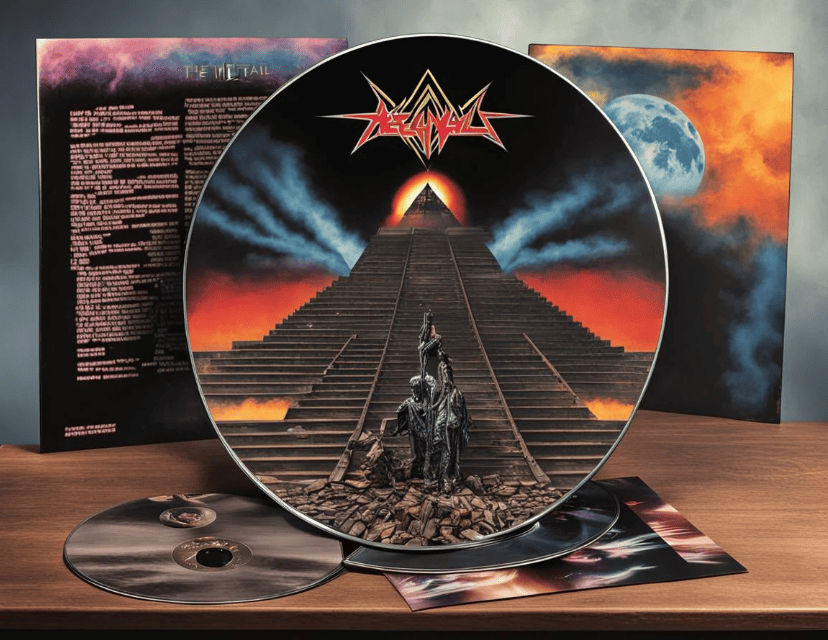
NightCafe offers multiple AI models for flexible album art creation. Musicians can generate visuals using text prompts or style transfers. Jazz noir, EDM neon, and cinematic silhouettes work well on this platform. The system adapts easily to different genres and moods.

Its tools support collaboration, upscaling, and print-ready exports. Users can adjust aspect ratios and remove unwanted elements. This helps refine details like lighting, color balance, and subject focus. The result feels polished and genre-appropriate.
NightCafe also helps brands test different album AI art style directions. Folk artists may use warm earth tones, while electronic acts favor cool blues. This makes it easier to align visuals with regional and audience preferences.
3. Leonardo AI
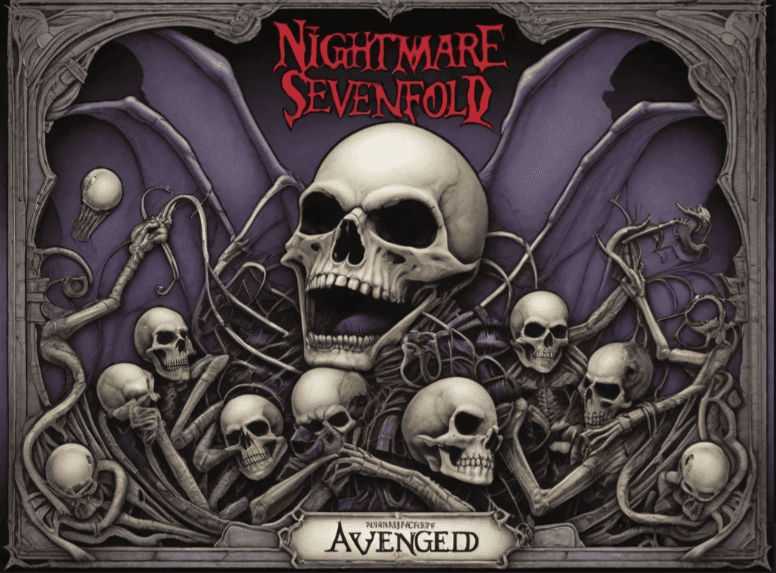
Leonardo AI focuses on precision and creative control. Musicians can fine-tune visual elements using weighted prompts. Anime pop, hyper-realistic rap, and stylized rock themes work especially well. The platform supports consistent character and style generation.
Its canvas tools allow manual edits for color harmony and composition. Artists can adjust lighting, textures, and visual focus. This helps match the artwork with specific listener demographics, from younger audiences to mature fans.
Leonardo AI also supports motion-style visuals. These work well for digital platforms and animated promotions. Many musicians use it as an advanced AI album cover generator for multi-platform campaigns.
Also Read: Leonardo AI vs MidJourney: A Practical Comparison
4. DALL-E 3 (via ChatGPT)
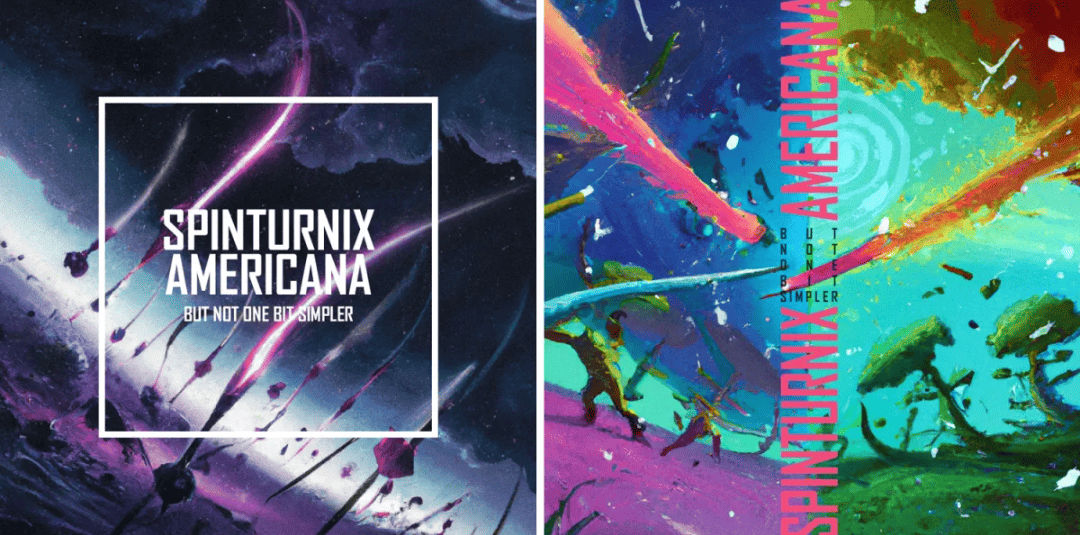
DALL-E 3 excels at understanding detailed prompts. Musicians can describe full scenes using natural language. Classical, ambient, and cyberpunk themes translate well into clean, coherent visuals. For short-form visuals, some creators pair covers with a Spotify Canvas AI generator. This keeps the album’s visual identity consistent across platforms.
Outpainting features help expand compositions beyond the main subject. Artists can build atmospheric backgrounds or add narrative elements. High-resolution outputs also suit both streaming covers and promotional materials.
5. Stable Diffusion (via DreamStudio)
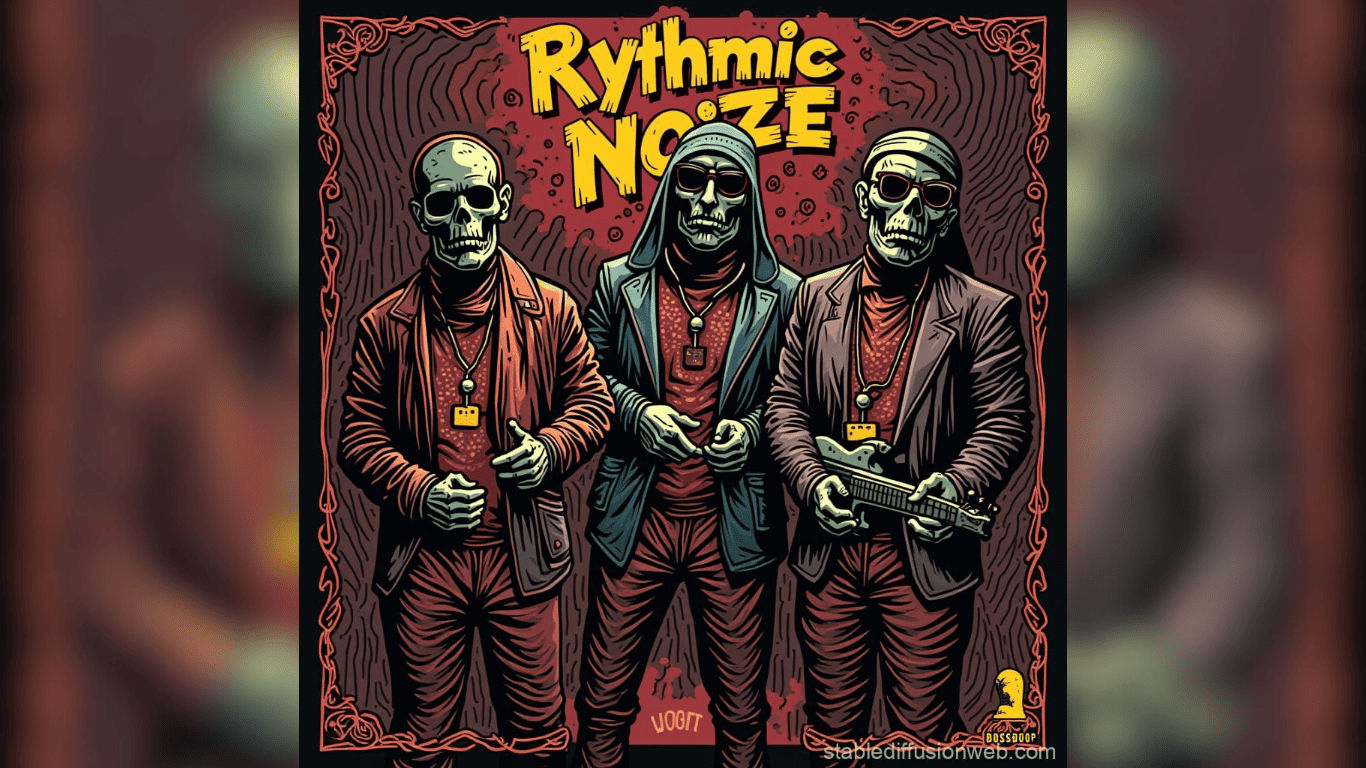
Stable Diffusion offers full creative freedom through open-source tools. Musicians can adjust seeds, styles, and prompt strength. This helps produce visuals ranging from vintage vinyl art to modern glitch aesthetics. Inpainting allows precise edits without restarting the whole design. Artists often refine facial details, lighting, or background elements.
The platform also supports square formats for streaming covers. Community models provide genre-specific looks. Metal artists use fiery reds, while lo-fi creators prefer muted blues. This makes Stable Diffusion a flexible AI album cover generator for niche audiences.
Also Read: Flux vs Stable Diffusion: 8 Key Differences for AI Artists
6. Picsart
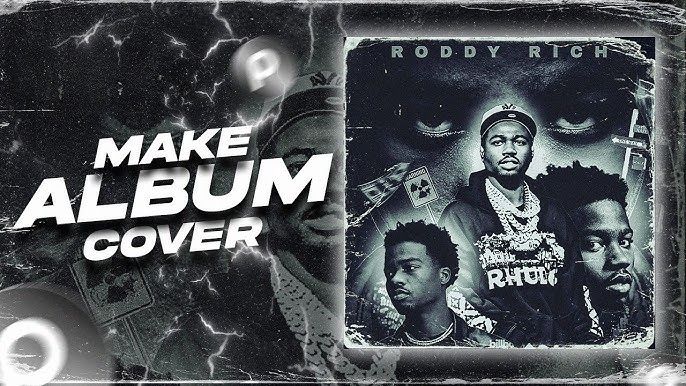
Picsart combines AI generation with manual editing tools. Musicians can blend styles like graffiti, sketch art, or 3D pop visuals. This hybrid approach allows more creative control. Picsart also supports fast edits for social content. This helps music brands maintain visual consistency across global platforms.
Its effect overlays and background tools help shape mood and color tone. Reggae artists may choose tropical palettes, while alternative rock favors monochrome styles. The visuals stay bold and expressive.
7. Canva AI
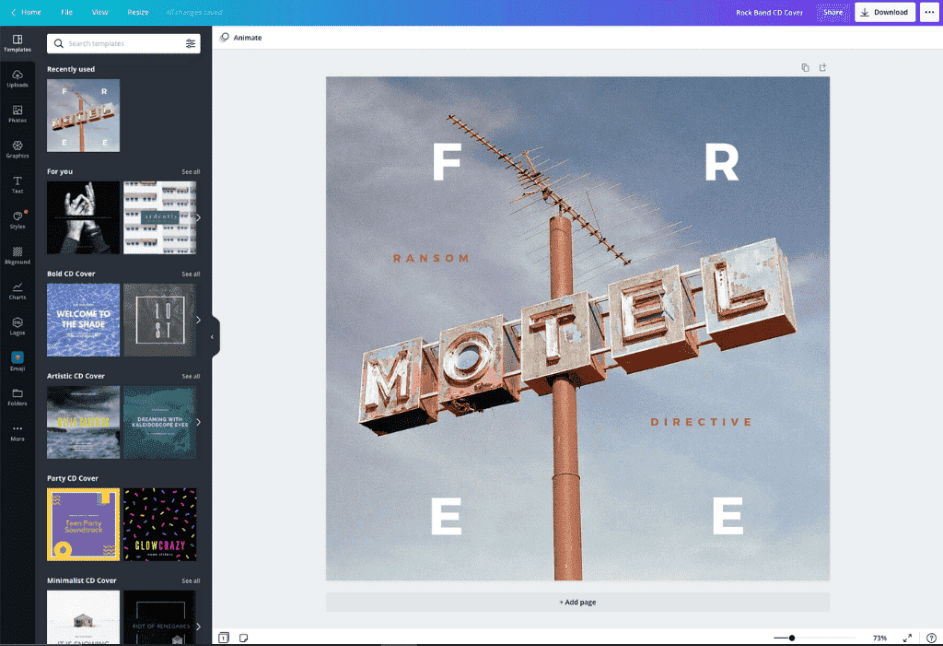
Canva AI focuses on simplicity and fast design workflows. Musicians can create album covers using ready-made templates in watercolor, neon, or pencil styles. The interface feels intuitive, even for non-designers. This makes it ideal for independent artists and small music brands.
Its drag-and-drop tools help users add text, logos, and branding elements easily. Its available color palettes can cater to your genre moods, such as bright pop tones or earthy folk shades. Brand kits also keep visuals consistent across releases.
Canva supports region-specific exports for different platforms. Artists can adapt visuals for local audiences while keeping a unified identity. This flexibility helps musicians stay visually relevant across global markets.
Also Read: 8 Free and Paid Canva Alternatives for Creative Projects
Ready to Elevate Your AI Album Cover Generator Strategy?
Strong visuals help music stand out in crowded platforms. With the right tools, artists can shape artwork that reflects their sound, connects with listeners, and stays visually consistent across regions and audiences.
To strengthen that identity, expressive typography plays a crucial role. Fonts from StringLabs Creative help albums feel more personal, artistic, and recognizable, giving each release a clear character that stays competitive in diverse music markets.