
How Product Photography AI Can Enhance Your Digital Designs
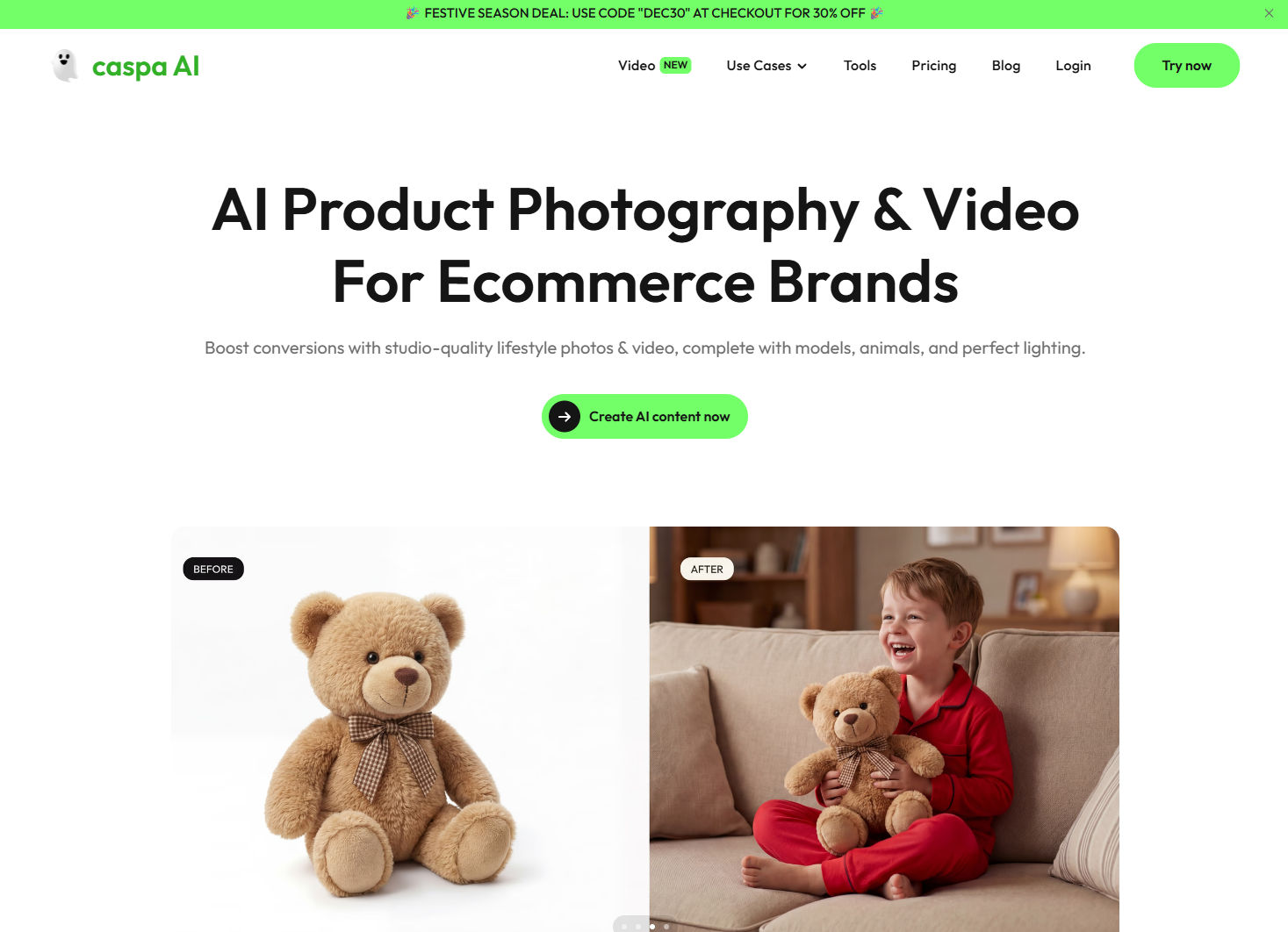
In today’s digital age, designers are constantly looking for innovative ways to create compelling visuals that capture attention. Whether it’s designing websites, social media content, or marketing materials, visuals play a crucial role in conveying a brand’s message. While typography, color palettes, and layout remain important, one area that is rapidly transforming the creative process is product photography. With the advent of product photography AI, designers can now take their digital designs to the next level, combining speed, flexibility, and creativity in ways that were previously unimaginable.
The Importance of High-Quality Product Visuals
For any designer, having high-quality images is fundamental. Images not only communicate the product’s features and benefits but also evoke emotions and influence purchasing decisions. Traditionally, achieving professional-grade product photos required expensive cameras, lighting setups, and photography skills. This often posed challenges for smaller design teams or individual creatives who wanted to showcase their work in the most appealing way possible.
Product photography AI eliminates many of these barriers. By automating image generation, enhancement, and editing, designers can create visually stunning product shots without extensive technical knowledge. This opens the door to a more seamless workflow, allowing creatives to focus on the bigger picture, crafting a compelling design narrative.
How Product Photography AI Integrates into Design Workflows
One of the key advantages of product photography AI is its ability to integrate smoothly into existing design workflows. Designers often juggle multiple projects at once, and having a tool that can quickly generate or enhance product images can save significant time. For instance, if you are creating a website layout for an e-commerce brand, you need consistent, high-quality product images for banners, listings, and promotional sections. AI tools can generate these visuals in minutes, maintaining a cohesive look across all design elements.
Moreover, product photography AI can help designers experiment with different styles, backgrounds, and lighting conditions. Instead of being limited by physical constraints, designers can create multiple versions of the same product photo and test which one aligns best with their design concept. This level of flexibility was much harder to achieve with traditional photography methods, where reshoots could be costly and time-consuming.
Enhancing Brand Consistency
Maintaining brand consistency is a challenge for any creative team, especially when working with multiple designers or collaborating with external agencies. Inconsistent visuals can dilute a brand’s identity, confuse customers, and reduce engagement. By incorporating product photography AI, designers can ensure that all product images align with a brand’s visual guidelines, including color schemes, lighting, and composition.
AI tools often come with customizable templates and presets, allowing designers to apply the same visual style across various products effortlessly. This ensures a unified appearance, whether the images are used in a website header, social media campaign, or email newsletter. The result is a more professional and cohesive design that strengthens the overall brand presence.
Speed and Efficiency Without Compromising Quality
In fast-paced digital environments, speed is essential. Design projects often operate under tight deadlines, and waiting for traditional photography shoots can slow down progress. Product photography AI addresses this challenge by generating high-quality images quickly. With just a few inputs, designers can produce multiple images that meet professional standards, freeing up time for other critical aspects of the project, such as layout design, copywriting, or user experience enhancements.

Importantly, using AI does not mean compromising quality. Modern AI tools are capable of creating highly realistic images, adjusting lighting, shadows, and textures to match professional photography standards. This balance of efficiency and quality makes product photography AI a valuable asset for designers who want to deliver outstanding results without the typical resource constraints.
Expanding Creative Possibilities
Another significant benefit of product photography AI is the creative freedom it provides. Traditional photography can be restrictive due to factors like location, weather, or available equipment. AI tools, however, allow designers to experiment freely with concepts that might be difficult or impossible to capture in real life.
For example, a designer working on a futuristic tech gadget website can use AI to generate product images with imaginative lighting or surreal backgrounds, giving the design a unique edge. Similarly, AI can help visualize products in various contexts, such as lifestyle settings or seasonal themes, without the need for multiple photoshoots. This opens up new avenues for creativity and enables designers to produce visually striking content that captures attention.
Cost-Effectiveness and Accessibility
Investing in professional photography can be expensive, especially for startups or freelance designers with limited budgets. Renting studios, hiring photographers, and purchasing equipment quickly add up. Product photography AI provides a cost-effective alternative by reducing the need for these resources while still delivering high-quality results.
Additionally, AI-based tools are increasingly accessible. Many platforms offer intuitive interfaces, making it easy for designers of all skill levels to generate product images without extensive training. This democratization of design tools means that even small teams can compete with larger agencies in producing visually compelling content.
Use Cases in Digital Design
The applications of product photography AI in digital design are diverse. Some common use cases include:
- E-Commerce Websites: Designers can create consistent product images that align with branding, enhancing the shopping experience and increasing conversions.
- Social Media Content: AI-generated visuals allow for quick creation of engaging posts, stories, and promotional graphics.
- Advertising Campaigns: Marketers and designers can experiment with multiple visual concepts to identify the most effective imagery for campaigns.
- Mockups and Presentations: Designers can showcase products in realistic or stylized settings, improving client presentations and portfolio pieces.
By leveraging product photography AI in these scenarios, designers can improve the quality, consistency, and impact of their visual assets.
The Future of Design with AI
As artificial intelligence continues to evolve, its role in digital design will only expand. Product photography AI is just one example of how technology is transforming creative workflows, enabling designers to work smarter, faster, and more creatively. By integrating AI into design processes, professionals can focus on strategy, innovation, and storytelling, while leaving time-consuming tasks like image generation and editing to intelligent tools.
For designers who want to stay ahead of the curve, embracing AI is no longer optional. It represents an opportunity to enhance creativity, streamline workflows, and deliver high-quality visuals that resonate with audiences. Whether you are designing a website, creating marketing materials, or developing a brand identity, product photography AI can be an invaluable asset in achieving professional and impactful results.
Conclusion
Digital design is increasingly visual, and high-quality product images are essential for engaging audiences. Product photography AI offers designers a powerful solution to create stunning visuals efficiently, maintain brand consistency, and expand creative possibilities. From saving time and costs to enabling experimentation with new styles and concepts, AI-driven product photography is transforming the way designers approach their work.
Incorporating product photography AI into your workflow is not just a trend, it’s a strategic move that can elevate your designs, enhance brand perception, and provide a competitive edge in the digital marketplace. By embracing these tools, designers can focus on what they do best: crafting visually compelling experiences that leave a lasting impression.