Kling AI vs RunwayML: From Prompt Control to Final Visual Output
Kling AI vs RunwayML sits at the heart of the rapidly growing world of AI tools for image and video creation. Moreover, nearly 21% of creators now regularly use AI to generate visuals and multimedia content for branding, social media, and professional projects, according to the AI in Content Creation 2025 report.
Both are leading names that offer powerful capabilities for text-to-video generation and visual storytelling. However, they differ in key ways depending on your intended use, so keep reading to decide which tool best fits your creative needs!
Key Takeaways
- Kling AI is ideal for fast, cinematic video generation with strong storytelling, smooth motion, and prompt-based simplicity.
- RunwayML excels in complex video projects that require advanced editing controls, character consistency, and professional post-production.
Kling AI vs RunwayML Comparison
Before diving into the main differences between these platforms, it’s essential to first grasp what Kling AI vs RunwayML have to offer. Here’s a closer look!
What Is Kling AI?
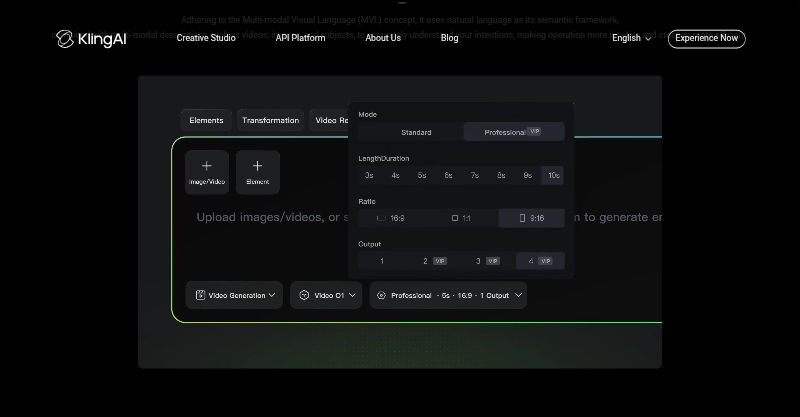
Kling AI is a platform that generates videos from text and images into narrative-driven clips. It excels at producing smooth motion from still imagery and includes cinematic features such as camera movements and high-quality rendering. Since its launch, it has attracted millions of users who have generated millions of videos and images.
What Is RunwayML?
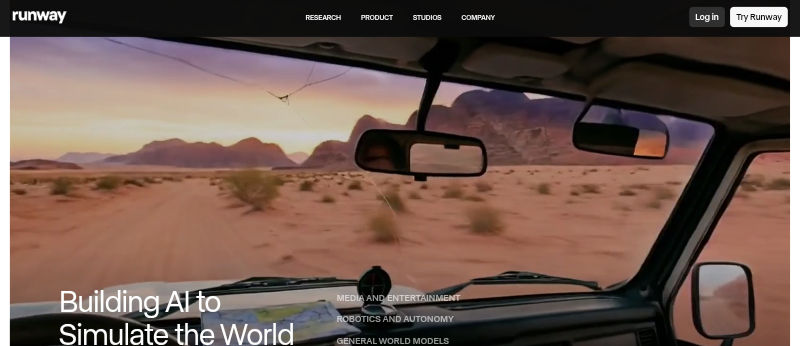
RunwayML, by contrast, positions itself as more than a simple video generator but also a full creative studio powered by AI. It offers a suite of tools, including text‑to‑video (with Gen‑2 and Gen‑3/4 models), image‑to‑video, video editing, background removal, style transfer, and even custom model training.
Also Read: MidJourney vs FLUX: Which AI Image Tool Is Better?
8 Kling AI vs RunwayML Differences in Content Creations
Now, it’s time to highlight the eight differences that influence how designers, AI artists, and visual creators use Kling AI or RunwayML. Here’s a detailed breakdown.

1. Image and Video Output Quality
First, Kling AI prioritizes refined, cinematic motion with smooth camera movements and lighting that feels natural and intentional. It excels at animating still images into video clips that are coherent and professionally appealing.
Meanwhile, RunwayML is often praised for its character consistency and cinematic quality, and it is a favorite for narrative sequences where the same character appears across multiple scenes. This consistency is valuable in storytelling and longer multi‑scene projects.
2. Ease of Use and Workflow
RunwayML offers a browser‑based platform with extensive control panels, detailed parameters, and deep customization. While powerful, its interface comes with a steeper learning curve. It’s good for experienced creators but overwhelming for beginners.
In contrast, Kling AI leans toward simplicity, with a cleaner prompt‑based input and faster generation times. Beginners find it accessible, though some features require familiarity with prompt crafting.
3. Prompt Control and Creative Flexibility
Next, Kling AI responds well to descriptive, narrative prompts that evoke storytelling because it’s optimized to interpret broad concepts into cohesive motion and mood. On the other hand, RunwayML performs best with technical and precise prompts, especially when specifying camera angles, lighting, scene setup, or editing instructions.
4. Performance and Speed
Kling AI often generates clips in just a few minutes and supports multiple concurrent outputs, ideal for bulk projects. RunwayML, while slower for high-resolution clips, excels in detailed control and advanced creative features. Its focus is on precision and versatility rather than raw speed, giving creators deeper customization options.
Also Read: Leonardo AI vs MidJourney: A Practical Comparison
5. Pricing and Value
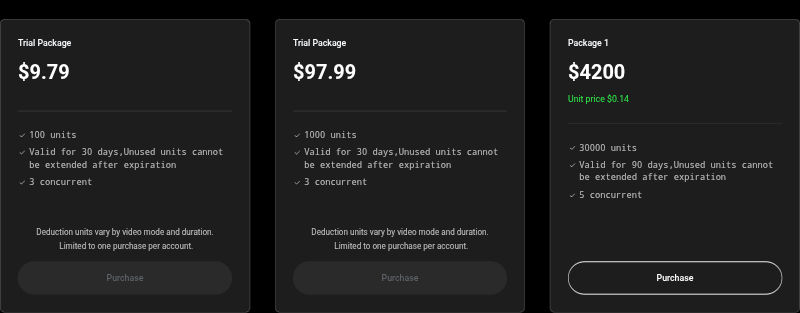
Typically, Kling AI offers a credit‑based system with multiple tiers, including free access with limitations and professional tiers that unlock more credits and higher quality.
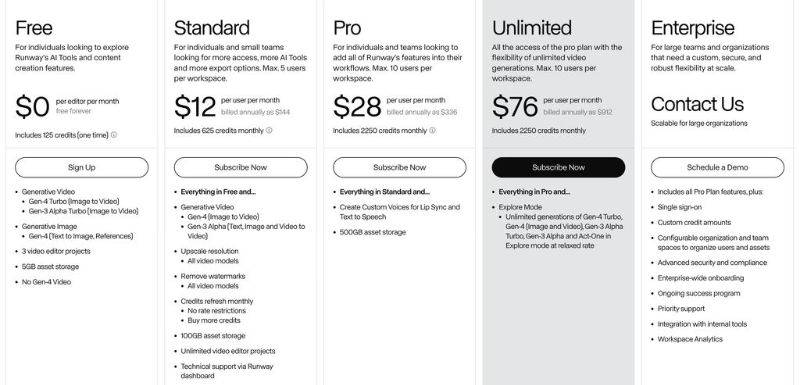
RunwayML also uses a tiered, credit‑based pricing model, but its higher plans support unlimited usage and access to advanced editing tools for heavy users and teams.
6. Support for Animation and Video
In the Kling AI vs RunwayML comparison, Kling AI specializes in character animation, realistic movements, and cinematic storytelling. Meanwhile, RunwayML stands out in video editing, background replacement, color grading, and rapid prototyping.
7. Style Exploration and Creativity
Moving forward, Kling AI allows experimentation with cinematic styles and expressive character animation. In contrast, RunwayML enables creative variations through post-production effects, filters, and AI-driven visual enhancements.
8. Best Use Cases
Choose Kling AI if:
- want narrative‑focused shorts, trailers, or emotive clips with minimal setup;
- priority is fast turnaround and intuitive prompt‑based generation;
- produce social content or cinematic teasers;
- prefer a cleaner workflow over extensive editing tools.
Choose RunwayML if:
- need deep editing controls, multi‑scene continuity, and a pro video toolset;
- work involves post‑production fine‑tuning, VFX, and layered effects;
- collaborate with a team on more complex visual narratives;
- value longer clip goals with high resolution and detailed motion control.
Also Read: Refining Vision: Mastering the Negative Prompt Stable Diffusion
Kling AI vs RunwayML Pros and Cons
To choose the right one for Kling AI vs RunwayML, it’s better to compare their strengths and weaknesses directly. The table below summarizes these points for easy reference.
| Tools | Pros | Cons |
| Kling AI | 1. Cinematic storytelling. 2. Precise motion control. 3. Batch processing. | 1. Steep learning curve. 2. Slow rendering. 3. Beginner unfriendly. |
| RunwayML | 1. Fast video generation. 2. User-friendly interface. 3. Integrated editing tools. | 1. Limited cinematic depth. 2. Less precise motion. 3. Internet dependent. |
Also Read: 20+ Midjourney Art Style Prompts To Elevate Your Design
Enhance Your Visuals with Kling AI vs RunwayML
When comparing Kling AI vs RunwayML, it’s clear that choosing the right AI platform impacts the quality of your visuals. However, the best AI-generated content can benefit from design enhancements. For instance, pairing your videos or mockups with well-crafted fonts can elevate readability, style consistency, and overall professionalism.
To take your projects further, consider integrating premium typography from the cinematic fonts collection, which complements both animation and branding projects stunningly. With high-quality options from StringLabs Creative, your creations become polished, aesthetic, and fully ready for commercial use.
Comments are closed.