
Mastering Hyper Personalization in the Digital Marketing Frontier
Hyper personalization now acts as the arsenal of marketing strategy. But, what is hyper personalization and how does it differ from the personalization that we knew? Fundamentally, consumers are love-bombing with tons of choices, and they become increasingly discerning.
Both hyper-personalization and personalization serve as tactics to win over the target audience or consumers through experience. Yet, they shoot at different levels of relevancy and resonance.
Key takeaway:
- AI transforms data into empathy, evolving generic marketing into predictive, real-time experiences that secure lifelong loyalty.
- A true hyper-personalized framework removes the “broken journey” by ensuring data follows the user across every channel.
Defining Hyper-Personalization and Strategic Value
When exploring what is hyper personalization, it is best described as a sophisticated marketing strategy that integrates artificial intelligence (AI), machine learning, and real-time data to craft highly individualized experiences for every user.
Unlike standard segmentation, which groups people by broad demographic buckets like age or location, this approach treats every visitor as a unique entity with distinct situational needs.
The hyper-personalization approach stresses the depth of understanding and the methods employed, and the timing, brands can move beyond what a customer did last year to what they need at this exact moment.
Adopting this “one-to-one” framework offers significant business advantages, as follows.
- Effective personalization can drive revenue growth by 5–15% and push marketing ROI up by 10–30%.
- Reduced sales cycles and consumer stress and moved customers toward purchase decisions faster through curated and resonant selections.
- Enhanced customer retention rates by as much as 25%.
Also Read: Top 7 AI Brainstorming Tools That Help Teams Work Smarter

How Does AI Impact Hyper-Personalization?
What is the hyper-personalization technique that enables products or services to meet customers’ needs before they are even spoken? It actually lies in the dynamic marketing fueled by intelligent application of data, where the process functions through the sophisticated technological sequence described below.
1. Unified Data Processing
AI acts as the central processing brain, utilizing Customer Data Platforms (CDPs) to aggregate behavioral, transactional, and situational data into a “life-size” buyer profile that updates instantly.
2. Continuous Algorithmic Evolution
Machine learning (ML) algorithms evolve progressively and become “smarter” with every click or social interaction to move from reactive service to proactive anticipation.
3. Predictive Intent Discovery
By synthesizing predictive analytics based on the behavioral data with real-time sentiment analysis, AI detects emotional states or specific intent. For example, AI predicts a need based on a local “cold snap” to understand desires before they are voiced.
What Is Hyper Personalization Framework to Create In-the-Moment Experiences?
Since AI-driven hyper-personalization aims to bridge the gap between digital data and human reality, it must create that “in-the-moment” experience across customers’ touchpoints. Consequently, a successfully orchestrated journey requires a structural foundation that involves 4 elements.
1. Data Foundation
Utilizing CDPs to aggregate behavioral and transactional streams into unified, real-time customer profiles. This includes environmental triggers, which adjust offers based on local time and climate to match the user’s physical reality.
2. Advanced Segmentation
Shifting from static groups to real-time, behavioral-based micro-segmentation. The goal is to ensure marketing relevance is maintained as user interactions evolve second-by-second.
3. Omnichannel Unification
This one omits the repetition that customers usually need to do, like inputting their profile info in different brands’ communication channels. The omnichannel unification must be able to pull the same record and resolve issues upon the most recent touchpoint that the customer left off, within the same context. It prevents the “broken journey” and provides a more direct and clearer personalization journey.
4. Strategic Optimization
This is the iterative cycle of measurement and refinement, driven by four core actions: gathering data, dynamic segmentation, metric analysis, and content fine-tuning. This framework ensures every campaign remains agile and data-informed.
Also Read: AI and the Future of SEO: Will Death or Make It Smarter?
4 Use Case Categories of Hyper-Personalization Examples
Practical hyper-personalization is rapidly reshaping the digital landscape through various categorized applications. The following are real use case examples.
1. Dynamic Digital Environments
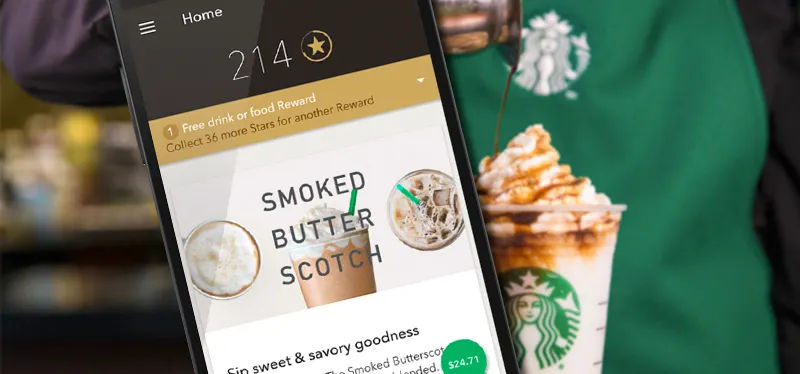
One of the most impactful applications is the use of landing pages that dynamically change based on visitor profiles. For example, the Starbucks app creates a “personal barista” experience by using purchase history, drink preferences, and time-of-day data to offer tailor-made suggestions and gamified star challenges.
2. Real-Time Advertising
Brands are utilizing AI to sync digital advertisements with local conditions. A prime example is Grove, which creates highly relevant social ads by using location data with real-time weather triggers to promote specific products. This ensures the marketing resonates and is highly relevant with the user’s immediate environment.
3. Context-Aware Communication
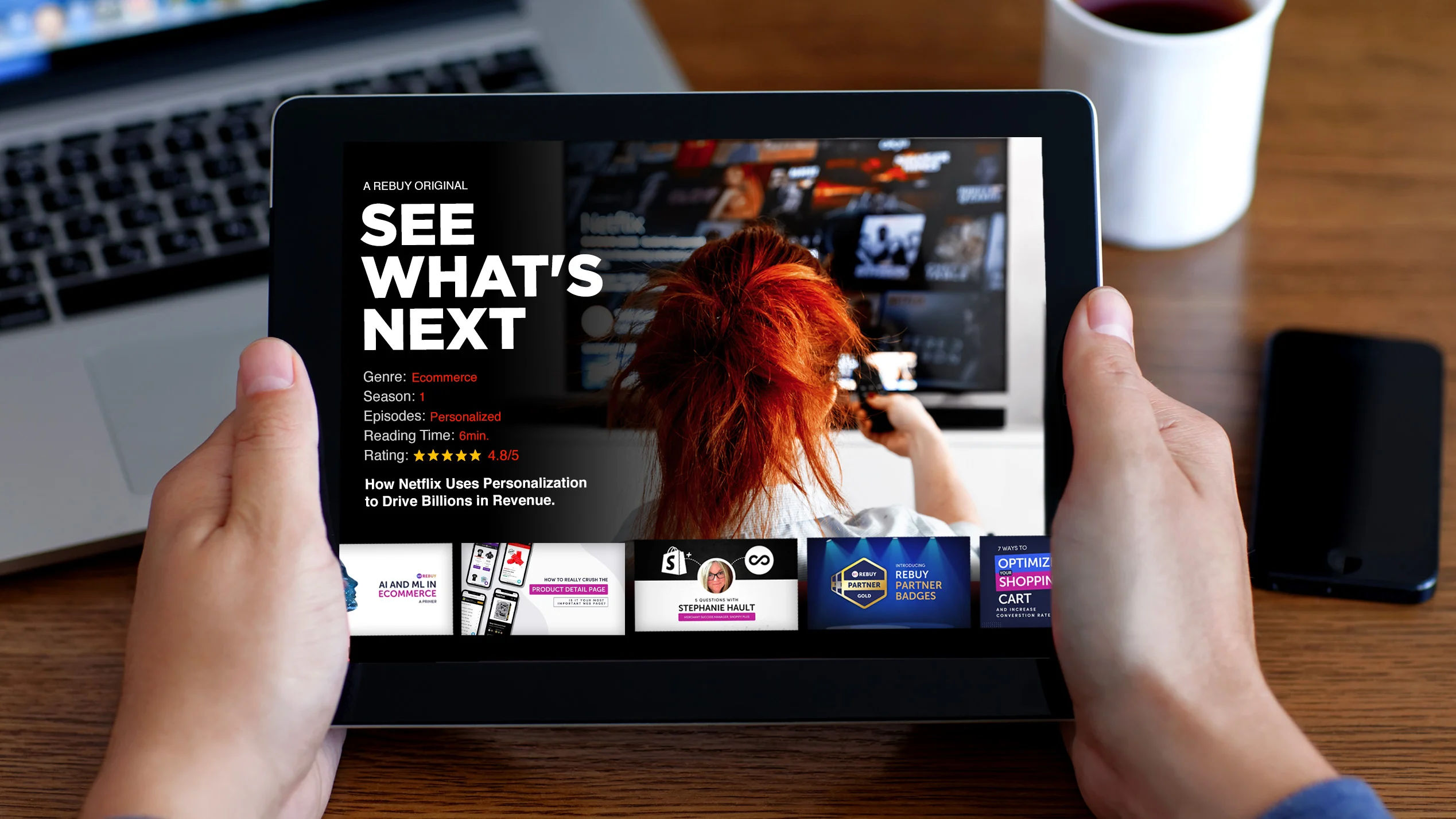
This category is based on predictive logic used for off-site engagement. Netflix leverages real-time behavioral data to send targeted reminders to inactive users, suggesting new content aligned with their specific viewing history to re-spark interest.
Also Read: Digital Efficiency: 7 Best AI Website Builders 2025
4. Adaptive Out-of-Home (OOH) Media
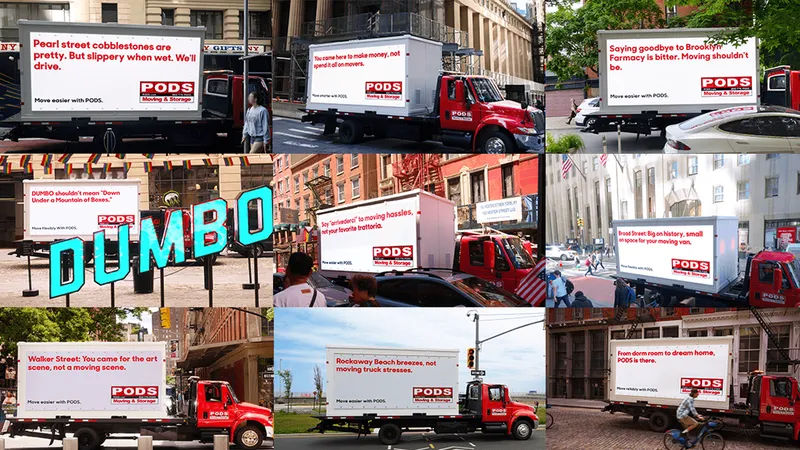
Physical campaigns are evolving to be AI-driven. According to the Google Business page, companies like PODS use generative AI to update digital truck billboards with copy tailored specifically to the neighborhood through which the vehicle is currently traveling.
The truck is used as OOH media, with adaptive copy as the hyper-personalized marketing weapon to create a more resonant campaign message.
Also Read: Automated Conversion: Mastering the AI Landing Page Generator
What Is Hyper Personalization Influence for Brands?
This method has transitioned from a competitive advantage to a fundamental operational requirement. Brands that recognize AI-powered hyper-personalization as a medium to balance automated precision with empathy at scale will thrive better in striking significant chords.
Furthermore, they can transcend transactional relationships to build genuine, lasting advocacy by maintaining a cohesive visual identity that commands trust. Build emotional connection in your hyper-personalization marketing strategy by applying authentic branding typefaces from StringLabs Creative.