
How to Design an AI Marketing Strategy: 8 Core Approaches
Understanding how to design an AI marketing strategy amidst the flood of data and numerous channels can often be daunting. Many brands already have insights, but their paths remain fragmented. According to Statista, the market value of AI in marketing is projected to exceed USD 107 billion by 2028.
At this point, it is increasingly evident that AI is the foundation of strategy. To further visualise, find out below.
Key Takeaways:
- An AI marketing strategy helps bring together data, channels, and execution for more focused marketing.
- To use AI marketing effectively, you need to know your audience and your goals very well.
- The technique stays useful and relevant through ongoing analysis, optimization, and learning.
- Consistent visuals help build brand recognition and ensure that messages are consistent across all platforms.
Key Methods Behind AI-Powered Marketing
Marketing is becoming more complex as data volumes and distribution channels grow. It is hardly surprising that many brands have no idea where to begin. Therefore, it is crucial to understand and apply an AI marketing strategy framework. To make it more efficient and well-organized, consider the following structure.
1. Identifying Audience Behaviour Patterns
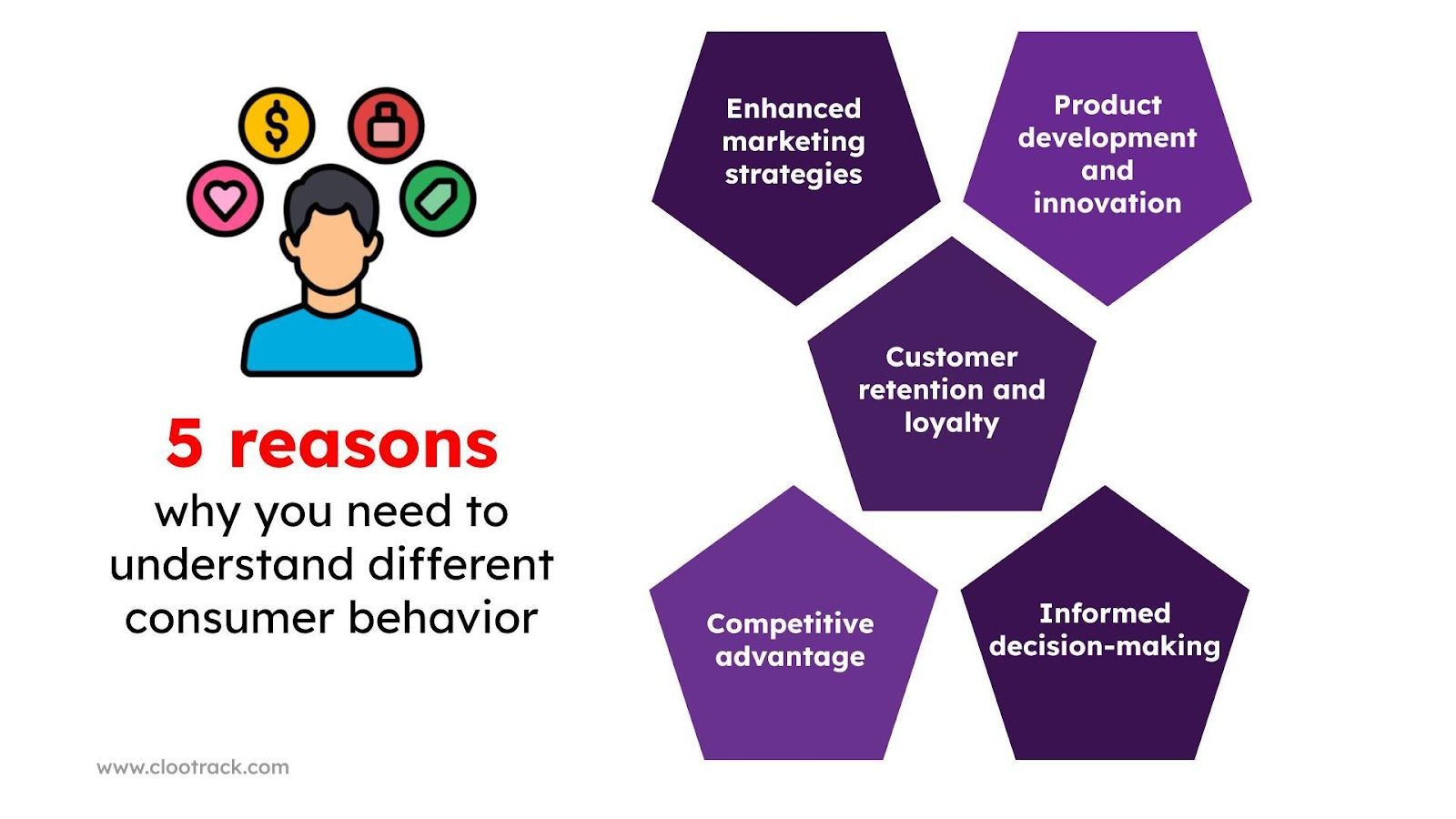
Finding your audience is essential when learning how to design an AI marketing strategy. With this method, brands can use data to better understand their audience. AI makes it easier and faster to gather and evaluate market data and audience behavior.
Furthermore, brands may observe how other brands communicate with their customers. As a result, strategies are made to be more valuable and focused.
2. Clarifying AI Marketing Objectives
Setting AI marketing goals helps you define a clear, measurable strategic path. This method ensures that the use of artificial intelligence aligns with the organization’s demands and objectives.
Following that, the plan focuses on automating processes, personalizing messages, and improving campaign results. When goals are clear, AI can make marketing more accurate and efficient.

3. Auditing Marketing Technology Tools
Brands can use marketing technology reviews to find out how ready their systems are. This method examines current tools and workflows to improve them. From this evaluation, you can find specific chances for AI integration.
In addition, AI is used to improve existing systems in a more structured way. This enhancement supports better data management by reducing manual processes and errors. As a result, channel optimization becomes more efficient and consistent across platforms.
Also Read: 7 AI Outline Generator Tools for an Efficient Planning Process
4. Forming An AI Marketing Team
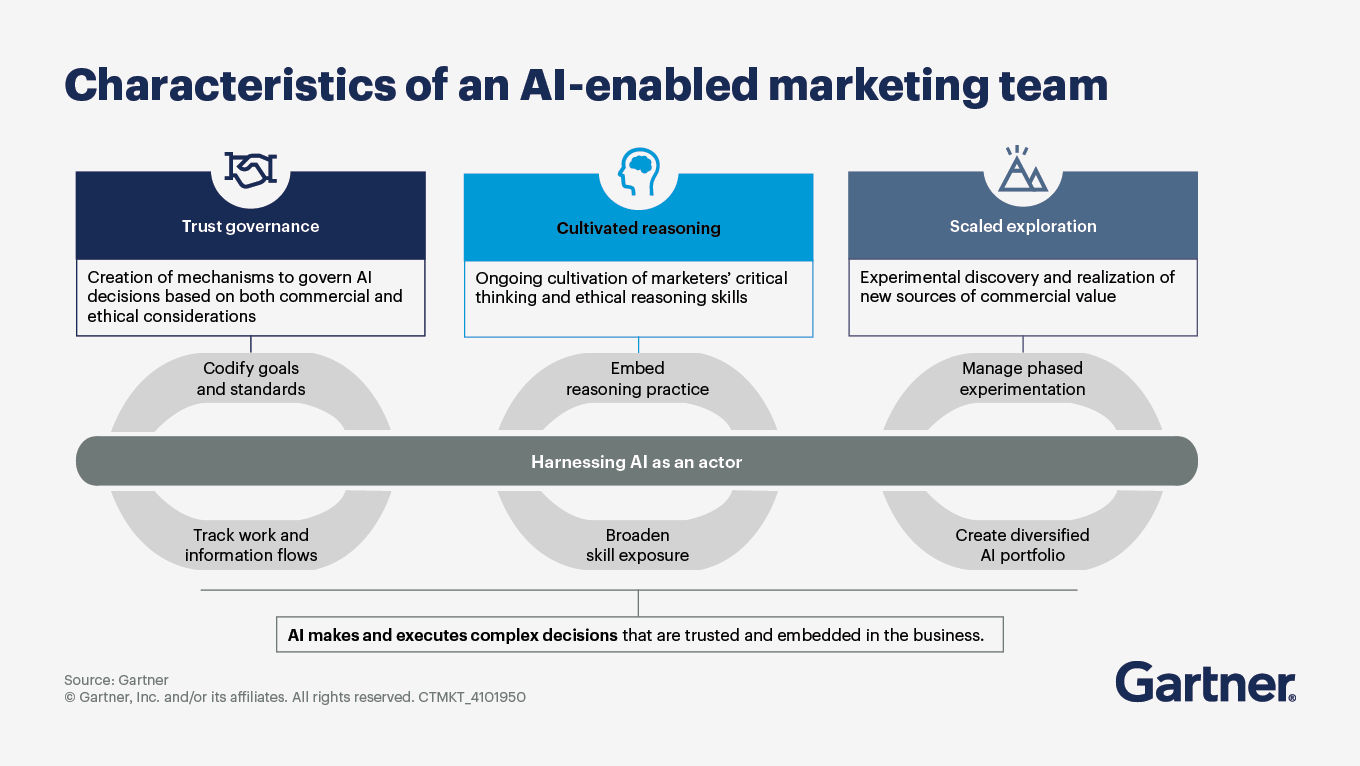
Establishing an AI marketing team ensures operational readiness when defining how to design an AI marketing strategy that can be executed effectively. The main goal is to encourage people from different roles to work together. This makes sure that every function helps the others use AI.
The ideal team includes people who know about data intelligence, AI strategy and operations, creative and content, and technology and automation. This structure enables AI to do its best work, from analyzing insights to carrying out integrated marketing.
5. Optimizing Campaigns With AI
Brands can run their marketing more intelligently by using AI to optimize campaigns. This technology can handle large amounts of data and find patterns that are hard to spot by hand. The analysis makes it easier and faster to make marketing decisions.
Furthermore, you can adjust ad targeting and budgets in real time. In response to this, marketing works much better.
Also Read: 10 Best AI Advertising Campaigns Redefining Creativity
6. Improving Performance Through the Use of AI
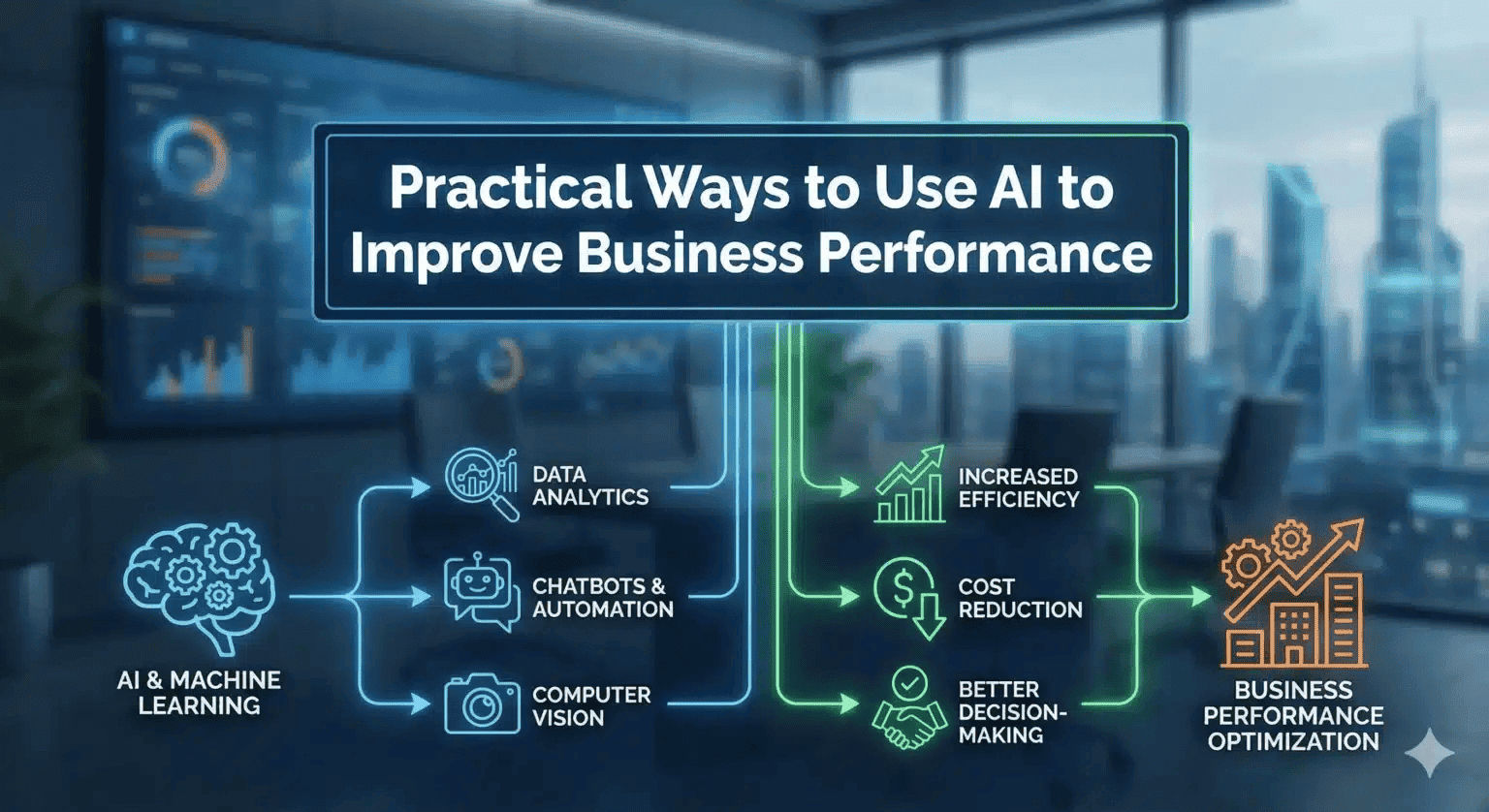
Using AI in marketing analytics turns raw data into actionable insights. Businesses can use AI-based technologies to track performance, predict future outcomes, and make data-driven decisions.
However, how well an analysis works depends heavily on the quality of the data. Incomplete or unreliable data can lead to incorrect insights. Consequently, decision-making relies heavily on data management.
Also Read: The AI Website That Changed How Customers See Your Business
7. Learning And Adapting Continuously
Continuous learning is key to an AI-based marketing strategy. Brands need to build a feedback loop by regularly monitoring campaign results. Performance data, customer responses, and market trends are analyzed to generate insights.
The general approach and AI model are changed based on these results. This flexible method ensures marketing stays useful and relevant.
8. Aligning Visuals Across Channels
After a plan has been improved and implemented across several channels, brands need to ensure that each campaign stays on the same page. This is where visual consistency is critical. With AI tools for digital marketing, brands can adjust visual elements like graphics, fonts, and colors without losing their core identity.
As a result, marketing remains locally relevant while remaining influential and recognizable globally.
Also Read: Content Strategy in the Age of AI: 7 Smart Approaches Using AI
Make Your Marketing More Effective by Using Consistent Designs Now!
An AI marketing strategy helps brands unify data, channels, and execution so they do not fall apart. Once you understand how to design an AI marketing strategy, consistency is key to maintaining a strong brand message across every campaign. At this stage, consistent visuals are crucial for maintaining a cohesive identity.
Consistent visuals make a brand more recognizable across multiple platforms. Choosing the right font helps maintain this impression from start to finish. For this purpose, you can check out the AI-ready branding font collection for a solid typography solution.
Let’s get the Stringlabs Creative font set used in some innovative advertising campaigns!